
What Is a Podiatry Chair and How Is It Used in Professional Foot Care?
A podiatry chair is a specialized medical examination and treatment chair engineered specifically for foot, ankle, and lower-extremity clinical procedures. Unlike conventional treatment tables, a dedicated podiatry chair incorporates motorized elevation to position the patient’s feet at an ergonomic working height for the clinician, combined with independently adjustable split legrests that articulate and extend separately. This split-leg architecture allows podiatrists, chiropodists, and wound-care clinicians to access one foot while keeping the other stable and supported. Clinic buyers should evaluate motorized movement ranges, minimum low-entry height for patient accessibility, hygienic PU upholstery specifications, destination electrical compatibility (110V/220V), and model-specific compliance documentation before procurement.
1. Why Podiatry Chairs Define Clinical Efficiency
In today’s foot-care and medical-service market across the USA and Europe, podiatry treatment is increasingly recognized as essential healthcare. Clinics specializing in foot health—whether orthopedic offices, diabetic-foot specialists, medical spas or hospital outpatient units—rely on a specific type of chair: the podiatry chair.
A podiatry chair is a high-performance medical chair engineered for foot-and-lower-limb examinations and procedures. It delivers smooth electric or hydraulic adjustment, 360° rotation, medical-grade upholstery, and ergonomic support that streamlines workflow, improves patient comfort, and communicates professionalism—particularly when branded and supplied by Kangmei.

2. What Is a Podiatry Chair?
A podiatry chair is not merely a seating apparatus but a medical instrument. It’s engineered specifically for foot-health professionals—podiatrists, dermatologists, pedicurists, and orthopedic providers—to deliver a variety of treatments efficiently and safely. Key characteristics include:
- Full leg and foot support: Extendable footrests and calf supports for precise positioning.
- Adjustable height and tilt: Motorized or hydraulic settings for ergonomic clinician posture.
- 360° swivel and recline: Enables access from multiple angles without patient repositioning.
- Hygienic upholstery: Waterproof, antimicrobial vinyl or PU leather, easy to disinfect.
- Hands-free control: Foot pedal or remote control systems for adjustment without gloves off.
At Kangmei, our podiatry chairs incorporate silent electric actuators, whisper-quiet motors, and high-density foam padding to minimize patient anxiety and therapist strain. With European CE certification and FDA compliance, these chairs meet both US and EU regulatory standards.
3. Why Clinic Owners Invest in Quality Podiatry Chairs
3.1 Enhancing Patient Comfort
Foot pain patients, elderly clients, and those with diabetes require gentle positioning. Kangmei’s adjustable leg rests and recline features help reduce stress and motion during procedures—leading to better treatment outcomes and referrals.
3.2 Boosting Clinical Efficiency
Motorized adjustments and preset positions allow fast turnover between patients—critical for foot-care clinics with back-to-back appointments. Remote controls streamline workflow and reduce manual handling.
3.3 Professional Brand Perception
High-end podiatry chairs convey a clinic’s commitment to premium care. Clinics equipped with Kangmei chairs are often perceived as modern, hygienic, and trustworthy—key in attracting discerning US and European clientele.
4. Types of Podiatry Chairs Explained
Featured KANGMEI Clinical Podiatry Chairs
Factory-engineered split-leg treatment and examination chairs designed for podiatry clinics, diabetic foot care centers, and multi-disciplinary practices.
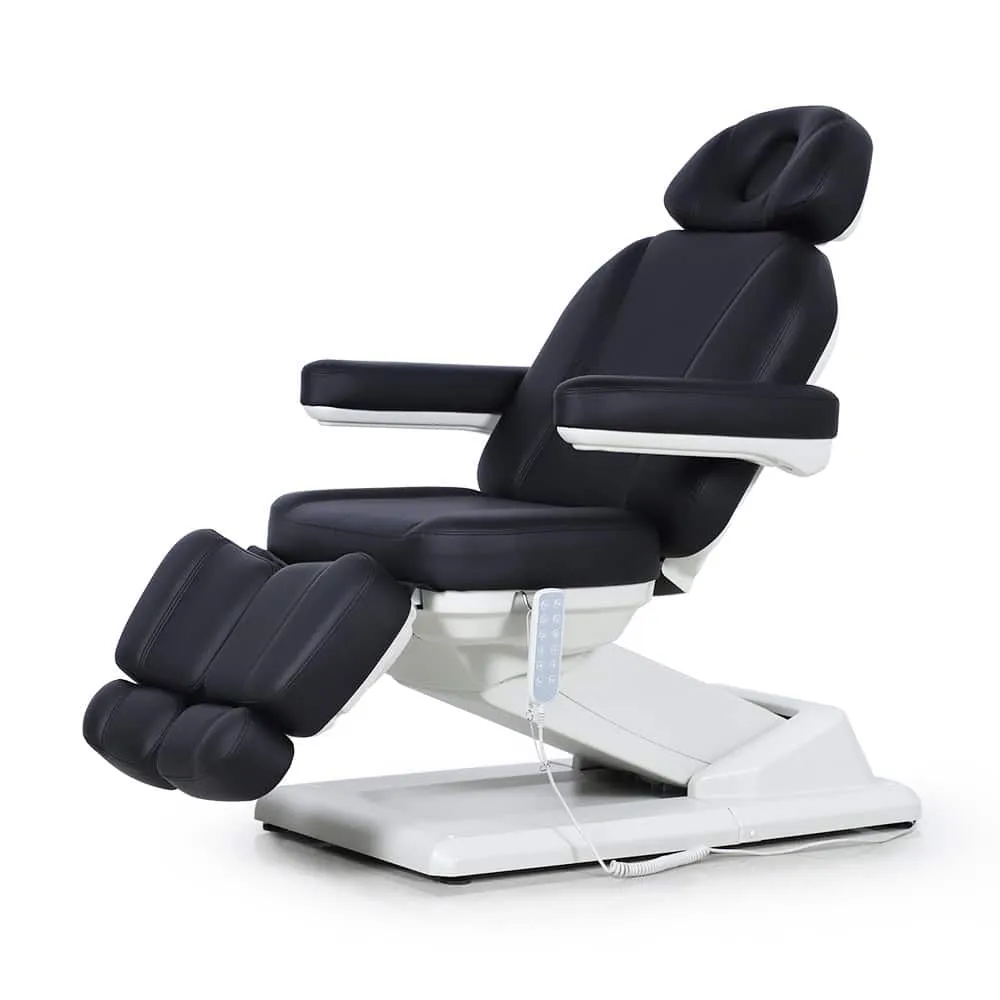
5-Motor Electric Split-Leg Podiatry Chair
Full motorized articulation with independent dual-leg actuators, engineered for delicate surgical procedures and diabetic wound care.
| Drive System | 5 Electric Actuators |
| Split-Leg Action | Dual Independent Motorized |
| Positioning | Electric Height Lift & Recline |
| Lifting Rated Load | 200 kg (440 lbs) |

Electric Podiatry Treatment Table
Electric vertical height lift combined with manual/gas-assisted split legrest extension for versatile routine podiatric care.
| Drive System | Electric Height Lift Mechanism |
| Split-Leg Action | Gas-Assisted / Manual Split Legs |
| Leg Extension | Independent Extendable Footrests |
| Lifting Rated Load | 200 kg (440 lbs) |

Commercial Electric Podiatry Chair
Optimized lower-limb clearance providing clinicians maximum ergonomic proximity during prolonged diagnostic and treatment sessions.
| Drive System | Multi-Motor Electric System |
| Split-Leg Action | Independent Drop & Elevation |
| Control Interface | Hand Pendant & Foot Pedal Compatible |
| Lifting Rated Load | 200 kg (440 lbs) |

Rotational Electric Podiatry Exam Chair
Integrated column swivel mechanism with mechanical lock, facilitating patient transfer in compact clinical exam rooms.
| Drive System | Multi-Motor Electric Lift & Tilt |
| Swivel Function | Column Rotation with Swivel Lock |
| Split-Leg Action | Independent Split Legs with Extension |
| Lifting Rated Load | 200 kg (440 lbs) |
4.1 Electric Podiatry Chairs
Fully motorized, these offer smooth raise/lower, tilt, backrest, and leg-rest control—all from a handheld remote or foot pedal. Ideal for busy clinics with frequent exam-to-treatment transitions. Kangmei’s Premium Electric Podiatry Chair uses four independent motors and a unified foot control pad.
4.2 Hydraulic (Manual) Chairs
Activated via foot-pump, hydraulic chairs cost less and are durable, making them suitable for budget-conscious clinics or mobile practitioners.
4.3 Versatile Treatment/Exam Chairs
These hybrid models combine features of general exam chairs with podiatry-specific leg rests. They serve clinics offering both podiatry and dermatology or minor procedure services.
4.4 Multi-Purpose Medical Spinal/Podiatry Chairs
Perfect for integrated clinics or medical spas, these chairs offer adjustable headrests, side extensions, and optional accessories like instrument tray mounts or under-seat storage.
5. Key Features & Specifications to Prioritize
When evaluating podiatry chairs, clinic owners should consider:
- Weight Capacity: Minimum 200 kg/440 lbs recommended for patient safety.
- Actuator Quality: Silent, CE-approved electric motors or rugged hydraulic cylinders.
- Foot Controls: Stainless-steel pedals or IPx-rated remotes for hygiene compliance.
- Hygienic Materials: Vinyl or PU leather upholstery, antimicrobial coatings, removable seams for cleaning.
- Warranty & Support: Minimum one year full warranty; parts easily replaceable.
- Custom Branding/OEM Options: Kangmei offers color customization, client logo options, and private-label manufacturing for distributors.
Feature Comparison Table:
| Feature | Kangmei Standard Model | Kangmei Premium Model | Why It Matters |
| Height Adjustment | Hydraulic pump | 4-motor electric lift | Efficiency and clinician ergonomics |
| Weight Capacity | 200 kg | 250 kg | Accommodates all patient types |
| Upholstery | Standard vinyl | Antimicrobial PU leather | Hygiene and comfort |
| Control Method | Foot pedal | Wireless foot/hand control | Hands-free hygiene and convenience |
| OEM/Branding Options | Color & logo customization | Fully private-label design | Clinic branding and resale value |
6. Clinic Buying Guide
Podiatry Clinic Equipment Selection & Technical Evaluation Checklist
- Confirm Intended Clinical Workflow: Determine whether the chair is required for routine podiatry care, nail surgery, diabetic foot monitoring, or multi-disciplinary aesthetic treatments.
- Verify Independent Split-Leg Articulation: Ensure each leg section adjusts independently (tilt, drop, and extend) to provide direct surgical access to one foot while supporting the other.
- Audit Working Height & Low-Entry Access: Verify minimum entry height for elderly and mobility-impaired patients and maximum elevation for standing clinician ergonomic posture.
- Review Motor Architecture & Actuators: Evaluate motor count and drive mechanisms (height lift, backrest recline, seat tilt/Trendelenburg, motorized split legs).
- Check Manufacturer-Defined Lifting Rated Load: Confirm the certified lifting rated load (e.g., 200 kg / 440 lbs) meets daily clinical operational requirements.
- Confirm Upholstery Specifications & Cleaning Protocols: Review commercial-grade PU leatherette specifications and verify supplier-recommended surface cleaning and sanitization compatibility.
- Verify Destination Electrical Configuration: Confirm 110V / 60Hz or 220V–240V power supply requirements and destination plug compatibility for the specific production order.
- Compare Control Interfaces: Evaluate wired hand pendants, wireless remotes, and hands-free multi-function foot pedals for sterile clinical workflows.
- Review Warranty, Spare Parts & Technical Support: Confirm commercial warranty terms for frame and actuators, and ensure spare electronic parts can be consolidated with export orders.
- Request Model-Specific Technical Documents & Formal Quotation: Obtain CAD dimension blueprints, applicable compliance documentation, and landed-cost quotations based on order volume.
6.1 Budget Considerations
- Hydraulic chairs: USD 800–1500
- Entry-level electric: USD 1500–3000
- Premium electric with OEM customization: USD 3000–5000+
6.2 Compliance Standards
- EU CE Marking for sales within European Union
- FDA 510(k) clearance or Class I medical device listing for the USA
6.3 OEM/ODM Custom Manufacturing
Kangmei supports high-volume orders with private-label capabilities—clients can request custom colors, branded cushions, and packaging tailored for US/EU distribution.
6.4 Shipping & After-Sales
- Global shipping partners with door-to-door courier options
- Remote technical support via phone or video
- On-site or virtual training for clinic staff
7. Maintenance & Longevity
- Daily: Wipe with approved disinfectants (IPA 70% or quaternary ammonium solutions).
- Monthly: Inspect upholstery seams, check bolts and joints.
- Semi-Annual: Lubricate pivot points, tighten hydraulic cylinders.
- Annual: Test electric actuators for smoothness, calibrate controls.
8. Future Trends & Innovations
Looking ahead to 2025–2026, expect innovations such as:
- Smart control interfaces: Touchscreen panels with presets and clinician profiles.
- Integrated sensors: Weight sensors and pressure monitoring for diabetic foot exams.
- Eco-friendly materials: Recyclable upholstery and low-VOC finishes.
- Adjustable ambient lighting and USB charging ports for patient comfort.
Kangmei is already piloting prototypes with smart remote/HMI options for clinic customization.
9. Case Study Snapshots
9.1 US Medical Spa
A high-capacity spa in California upgraded to Kangmei electric podiatry chairs branded with their logo. Result: 20% faster patient turnover, 15% increase in treatment packages sold.
9.2 European Diabetic Clinic Partner
A distribution partner in Germany ordered Kangmei OEM chairs in pastel custom colors. Feedback: clinician reports reduced fatigue, patients expressed higher care satisfaction ratings.
To explore options for your foot-care clinic or spa, visit our curated line:
Check Our Spa & Podiatry Equipment Collection →
Request a Quote for Custom Chairs →
Choosing the right podiatry chair is an investment in patient comfort, procedural efficiency, and professional image. Kangmei offers a range of certified, ergonomic, and customizable chairs tailored to serve US and European B2B buyers—be they clinics, hospitals, or distributors.
With robust after-sales support, OEM/ODM capabilities, and future-ready features, Kangmei positions itself not just as a supplier—but as a strategic partner in clinic success.
We trust this comprehensive guide helps you make an informed decision. For quotes, customization inquiries, or OEM collaboration, contact Kangmei today.
Frequently Asked Questions: Podiatry Chairs for Clinics
A podiatry chair is utilized by podiatrists, chiropodists, orthopedic clinicians, and foot-care specialists to perform routine foot care, biomechanical assessments, diabetic foot evaluations, wound management, and minor lower-extremity surgical procedures in an ergonomically optimized position for both patient and practitioner.
Independent split legrests allow the clinician to position, raise, lower, or extend one leg to the precise working angle required for examination or treatment while the patient’s other leg remains comfortably supported in a rested position. This prevents pelvic twisting and enhances procedural accuracy.
Motor counts vary based on clinical requirements. Standard electric podiatry tables typically use 1 to 3 motors for overall height elevation, backrest positioning, and seat tilt, while utilizing gas-assisted or manual split-leg adjustments. Premium 5-motor models (such as the KANGMEI M6001B) incorporate dedicated electric actuators for each individual split legrest.
Podiatry chair upholstery is manufactured from durable, non-porous polyurethane (PU) leatherette. Clinics should wipe surfaces between patient appointments using mild, pH-neutral clinical disinfectant wipes recommended by the manufacturer, avoiding harsh abrasive solvents, acetone, or excessive alcohol concentration that can dry out synthetic leather over time.
B2B buyers should request model-specific dimension blueprints, motor actuator specifications, lifting rated load ratings, electrical safety test reports (CE, RoHS, or UL-recognized component documentation where applicable), user operating manuals, and structured warranty terms.
To receive an itemized landed-cost quotation, clinic buyers should specify the desired model numbers (e.g., M6001B, M6004C, M6007C), planned order quantity, destination clinic address or nearest seaport, electrical requirements (110V vs 220V), custom upholstery color preferences, and preferred Incoterm (EXW, FOB, CIF, or DDP door-to-door).
